Ohtani Autographs, 2013–2025 and Beyond: A Collector’s Guide
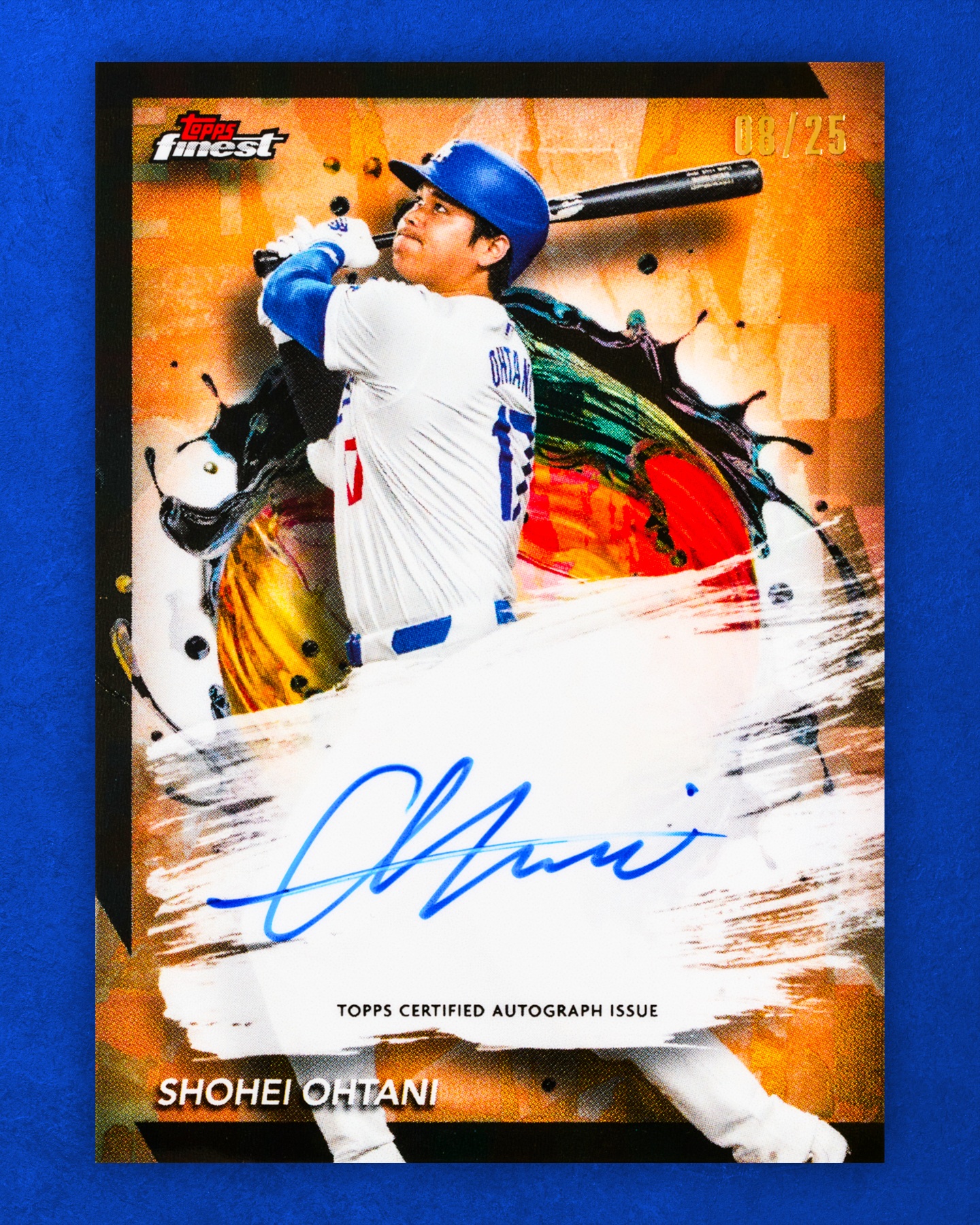
TL;DR: Ohtani’s autograph journey spans Japanese BBM facsimiles and scarce true autos (2013–2017), market-leading 2018 MLB rookie autos, a signature style shift around 2022, and a Dodgers-era surge with 2024–2025 checklists. Kanji signatures and meaningful inscriptions remain true grails. In February 2025, Topps announced a new signature style for 2025 Topps Finest that has yet to surface.
Pre-MLB (Japan), 2013–2017
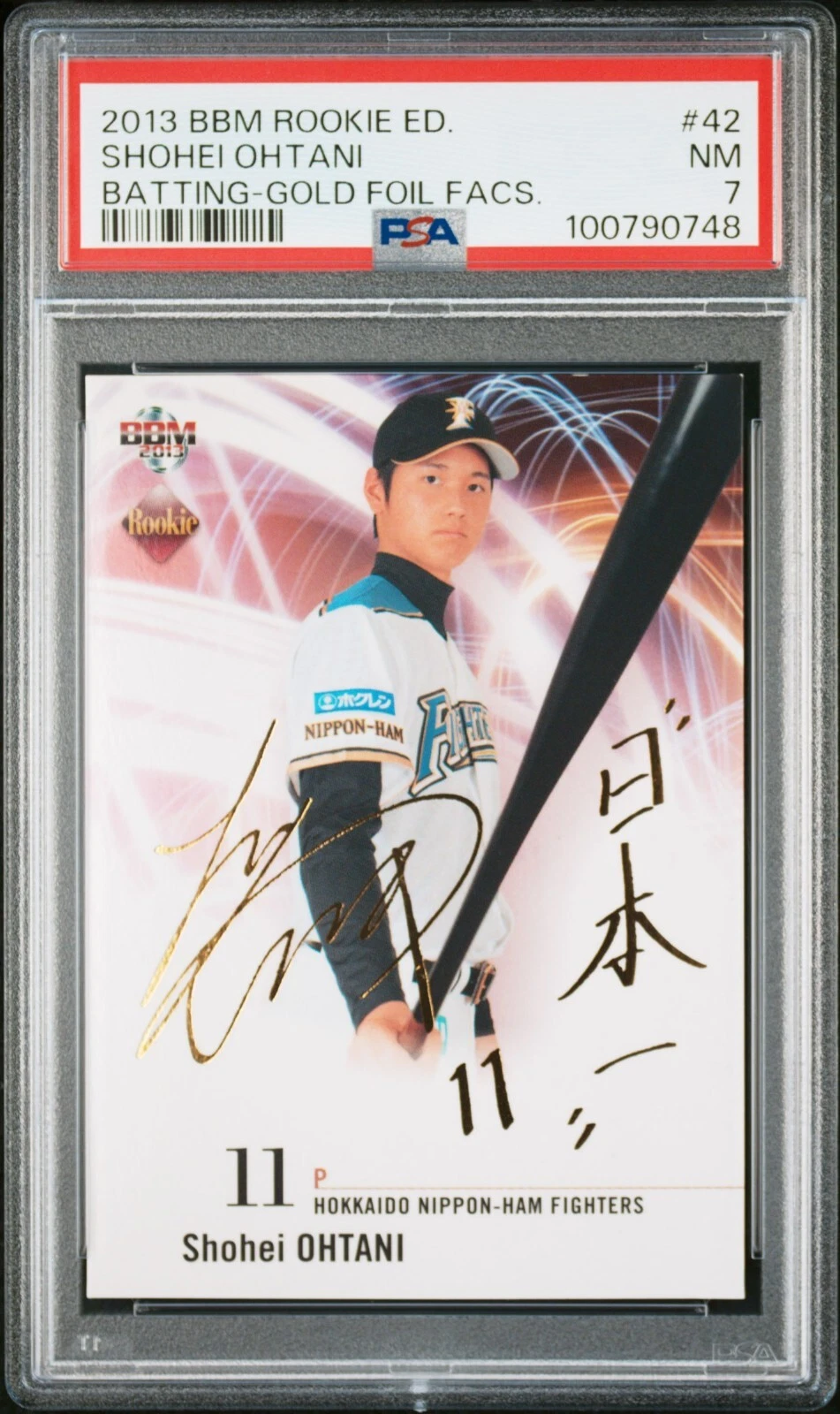
Many 2013 BBM Ohtani parallels carry facsimile (printed) signatures—often numbered, but not hand-signed—so comps are noisy and easy to misread. Beckett’s Japan RC guide and major auction listings explicitly flag these as facsimile issues.
Bottom line: If you’re paying “auto money,” favor slabbed, hand-signed cards or trusted auction houses that clearly state the autograph is live ink (not printed). PSA entries and lot notes also label specific 2013 BBM cards as Black Facsimile / Printed Autograph variants.
Tip: Pack-pulled autos announce themselves on the back (e.g., “Topps certifies this is an authentic autograph”). If the back doesn’t say it—and the insert is known to have reproduced signatures—assume it’s not a live auto.
How to spot facsimiles when buying raw: look for uniform print tone, halftone/dot patterns, no ink pooling or indentation, and perfectly consistent line weight under magnification.
2018 MLB Rookie Year — the market benchmark
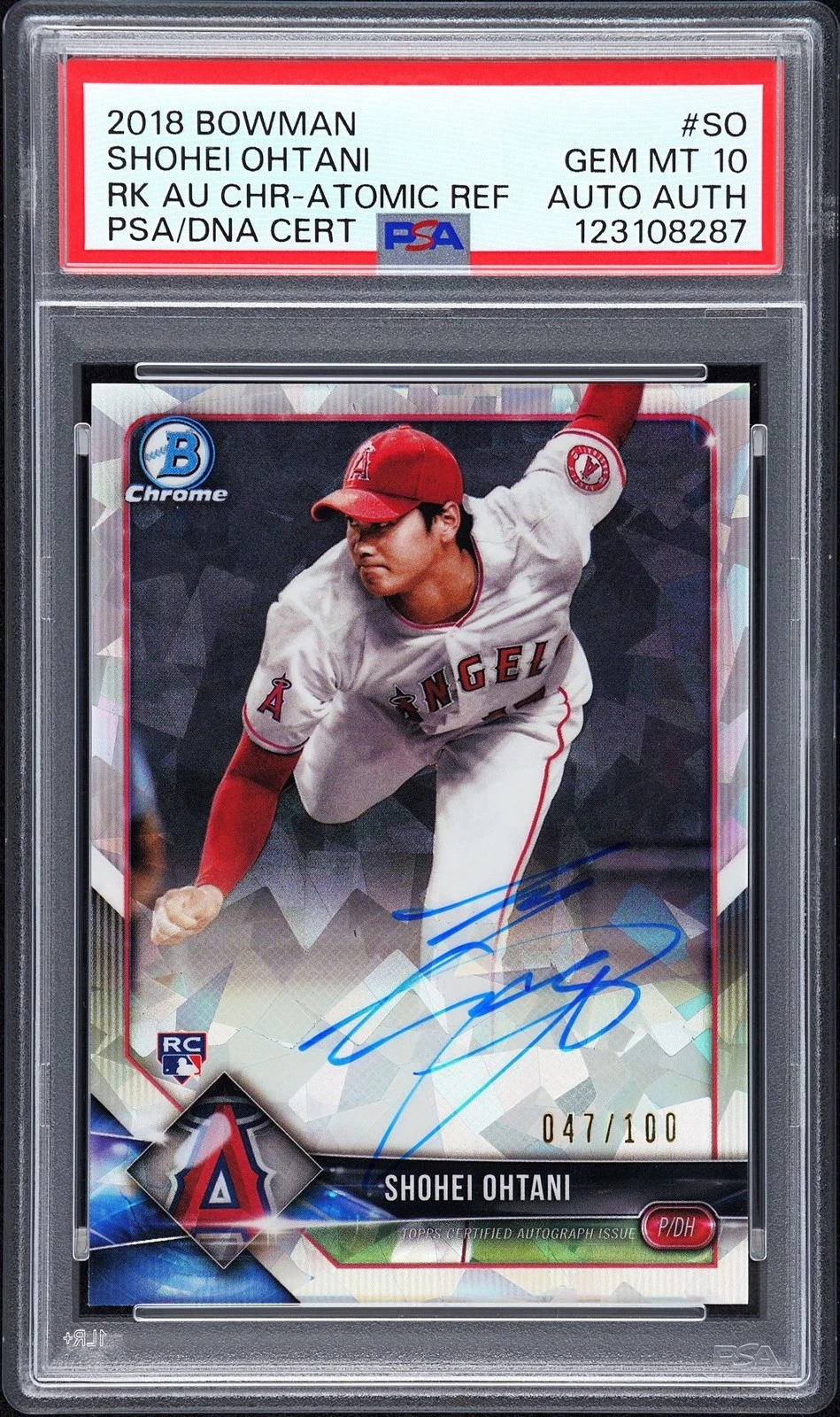
Ohtani’s 2018 Bowman/Topps rookie autos remain the market’s reference point for long-term value and liquidity. A recent headline sale: a 2018 Bowman Chrome Orange Refractor RC Auto /25 (PSA 10) in 2025 realized $234,000, illustrating how 2018 anchors his auto market.
If you’re building a core Ohtani auto portfolio, map the 2018 landscape (Bowman Chrome, Topps Chrome, Tier One, Gypsy Queen, Brooklyn Collection, etc.) using consolidated RC/auto guides.
The Kanji factor (Various Years)
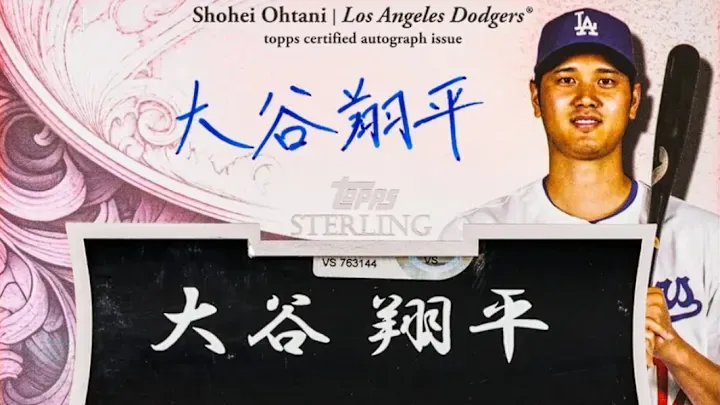
Kanji-signed cards are true grails. Beckett documented the 2018 Bowman Chrome Kanji autograph when it surfaced, and Kanji inscriptions on memorabilia routinely command top-tier pricing.
2019–2020 (Early MLB, non-RC years)
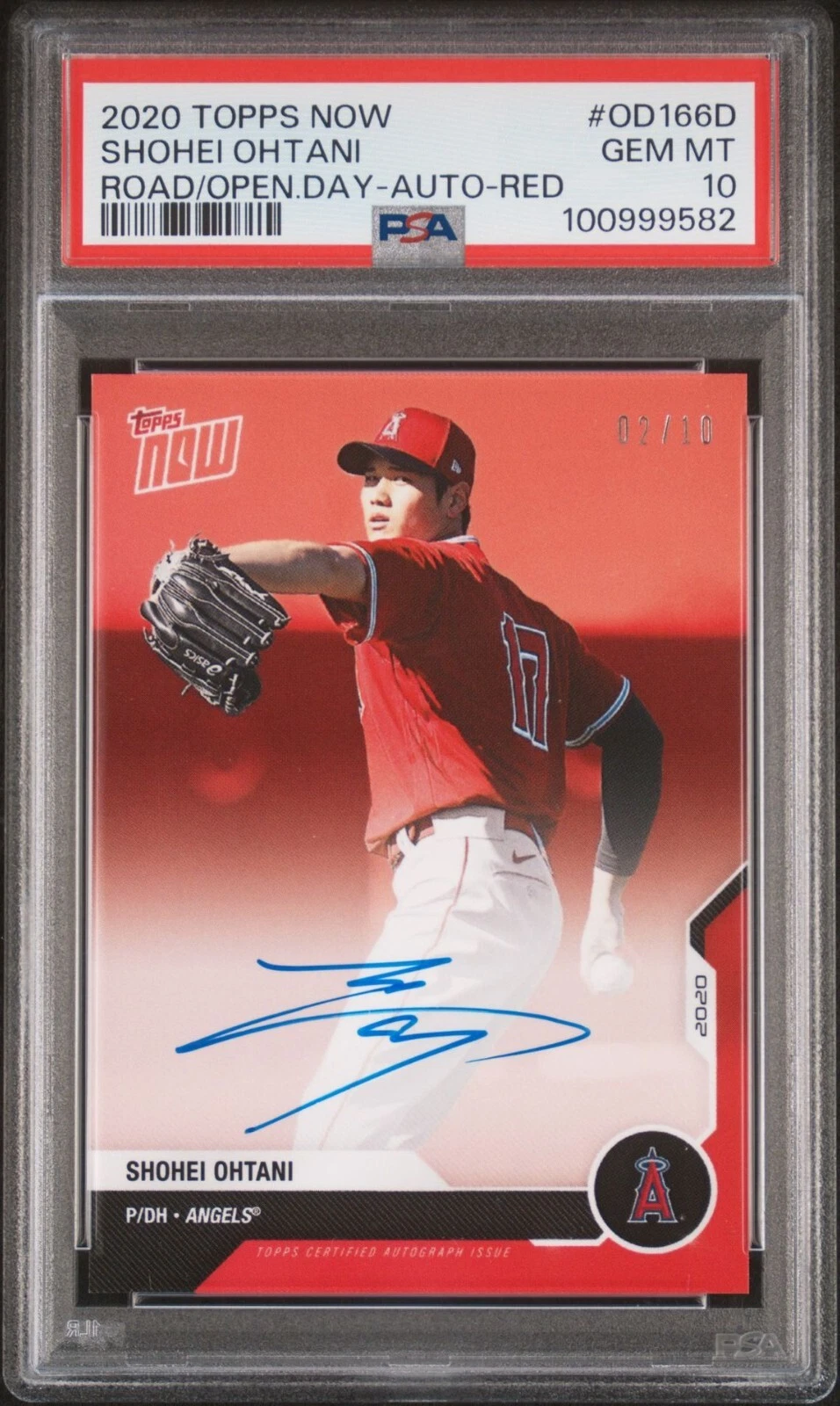
Non-RC autos from 2019–2020 in flagship designs remain strong, typically priced below 2018 RC equivalents—often a smart hunting ground if you prefer classic looks with a discount to rookie-year pricing. Market coverage consistently treats 2018 RC autos as the premium tier.
Around 2021/22, Ohtani’s pack-issued signature simplified versus earlier, more elaborate forms.
If you collect by signature style, compare earlier elongated forms to the more compact 2022-present look. Around this same time, Ohtani used a variation similar to the rookie years, but a bit more compact.
2022–Present
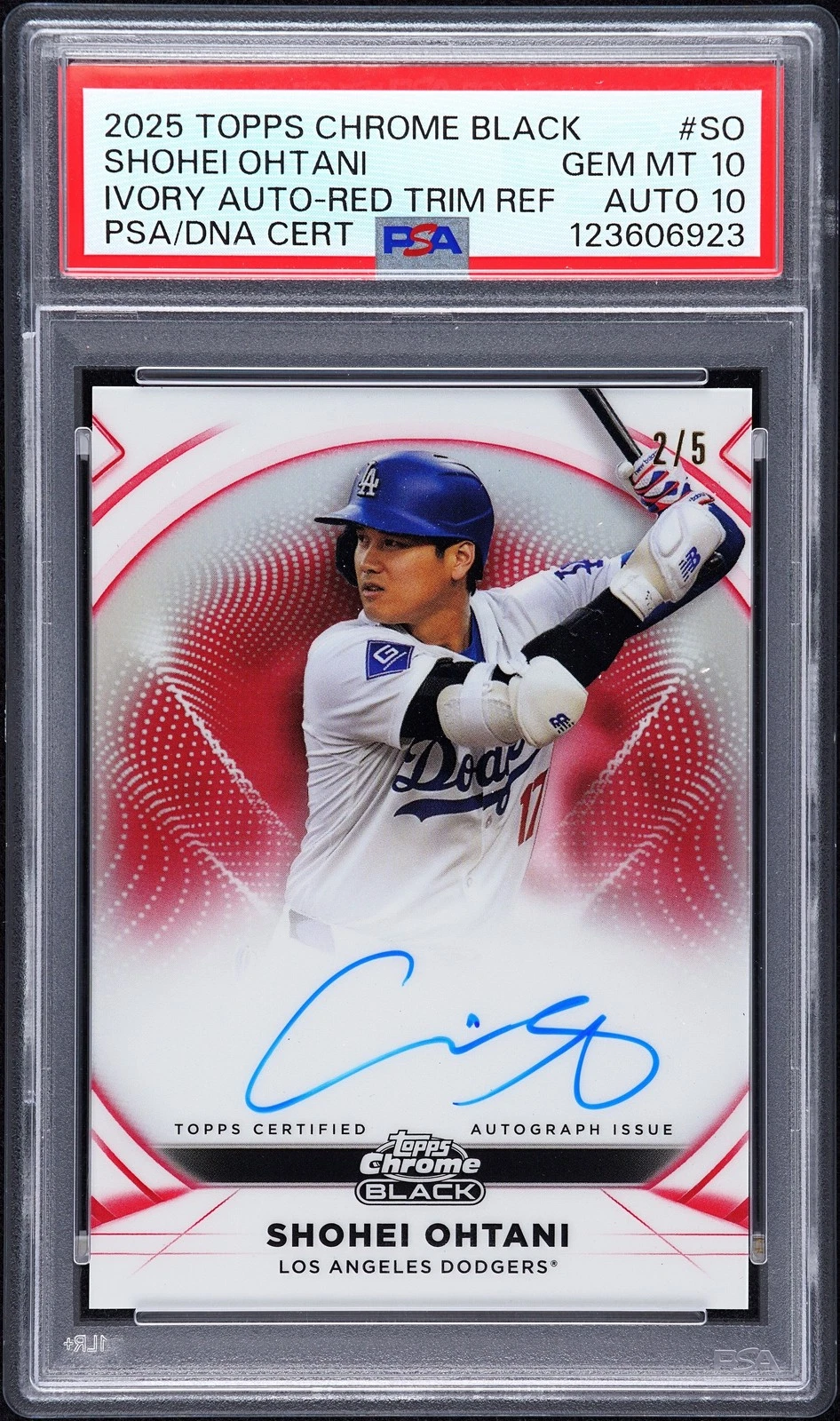
From 2022 forward, pack autos largely show the current well-known simple signature, with occasional short-printed twists as kanji or inscriptions (which are treated as 1/1 typically). In the Dodgers era (2024–2025), demand has stayed hot and Ohtani is prominent across checklists. In 2025, Ohtani does show up more often in auto checklists versus 2024.
Inscriptions & Kanji across cards and memorabilia
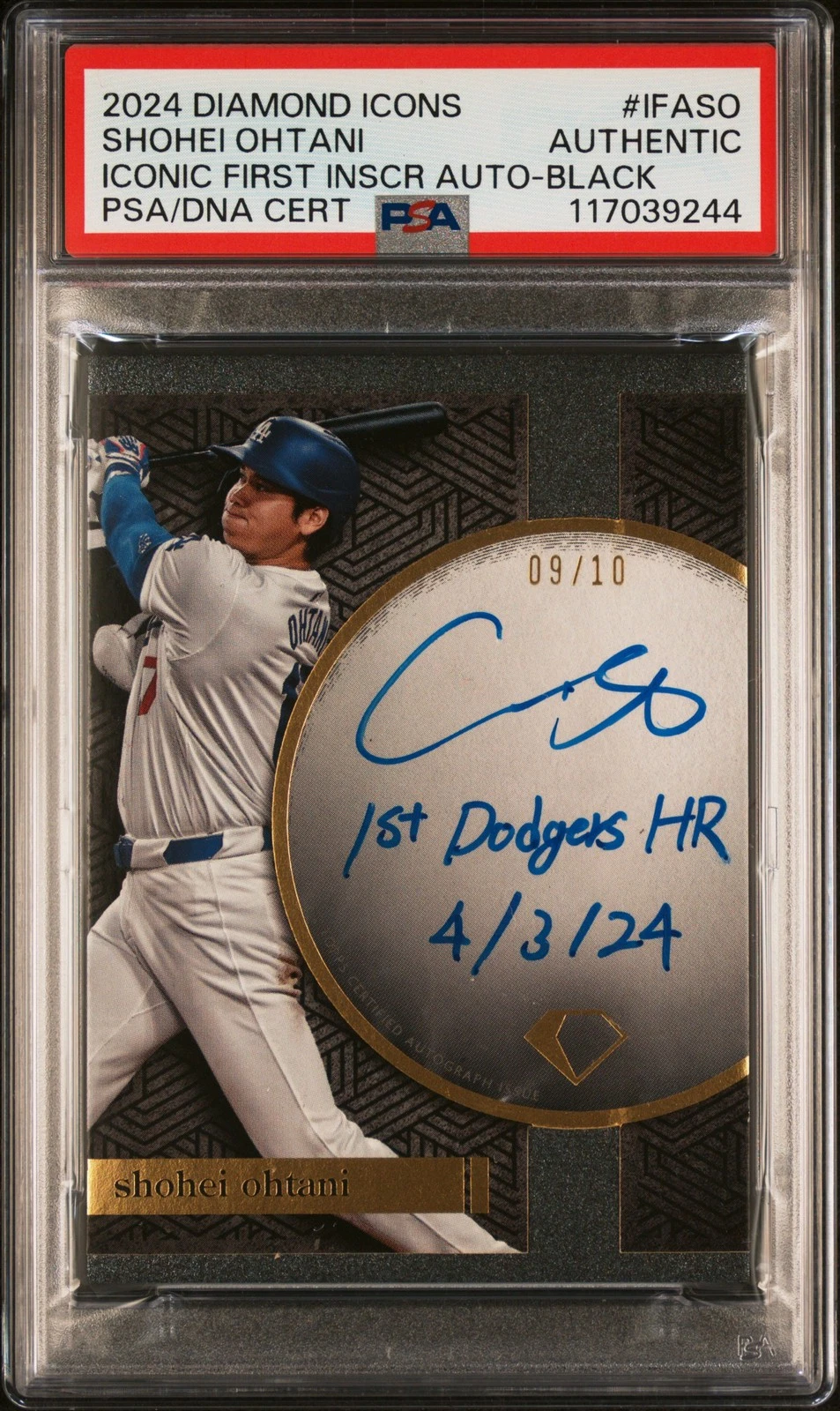
- Card inscriptions from Ohtani are very scarce; when they surface—especially paired with Kanji—they anchor the top end of his market. Example: a 2024 Topps Now 1/1 inscribed auto realized $225,700 at Heritage.
- Memorabilia vs. cards: you can sometimes find signed balls or bats at a lower entry point than pack-issued card autos, but limited Kanji or event inscriptions from Fanatics routinely list in five-figure territory and sell through quickly. Verify COAs and trusted sources.
Buying smarter: avoiding facsimile pitfalls
- Read the back. Pack-issued autos state certification; many “signature-looking” inserts are reproductions, and Topps/Beckett document this plainly.
- Check for print clues. Uniform print tone, halftone dots, no ink pooling/indentation = likely printed. Use a loupe or macro photo.
- Authenticate high-end items. PSA outlines ink and structure analysis with tools like video spectral comparators—use third-party authentication when stakes are high.
- Prefer reputable venues with explicit descriptions and provenance; major auction houses routinely flag facsimile on 2013 BBM issues.
Quick year-by-year reference
- 2013–2017 (Japan/BBM): Many parallels use facsimile signatures; confirm live-ink vs printed before you comp.
- 2018 (MLB RC): The market leader for long-term value; Kanji autos are grails.
- 2019–2020: Collectible non-RC autos, often discounted versus 2018 RCs.
- ~2022: Signature simplification begins
- 2024–2025 (Dodgers): Heavy demand; Ohtani appears prominently across 2025 Series 1 and Finest. Verify per-product inclusions.
- Future: In 2025, Topps announced a new signature style for Ohtani publicly. These were meant to be in 2025 Topps Finest, but as of this writing none have publicly surfaced. There are some redemptions that have shown up, that seem to be unfulfilled so far.
Current:
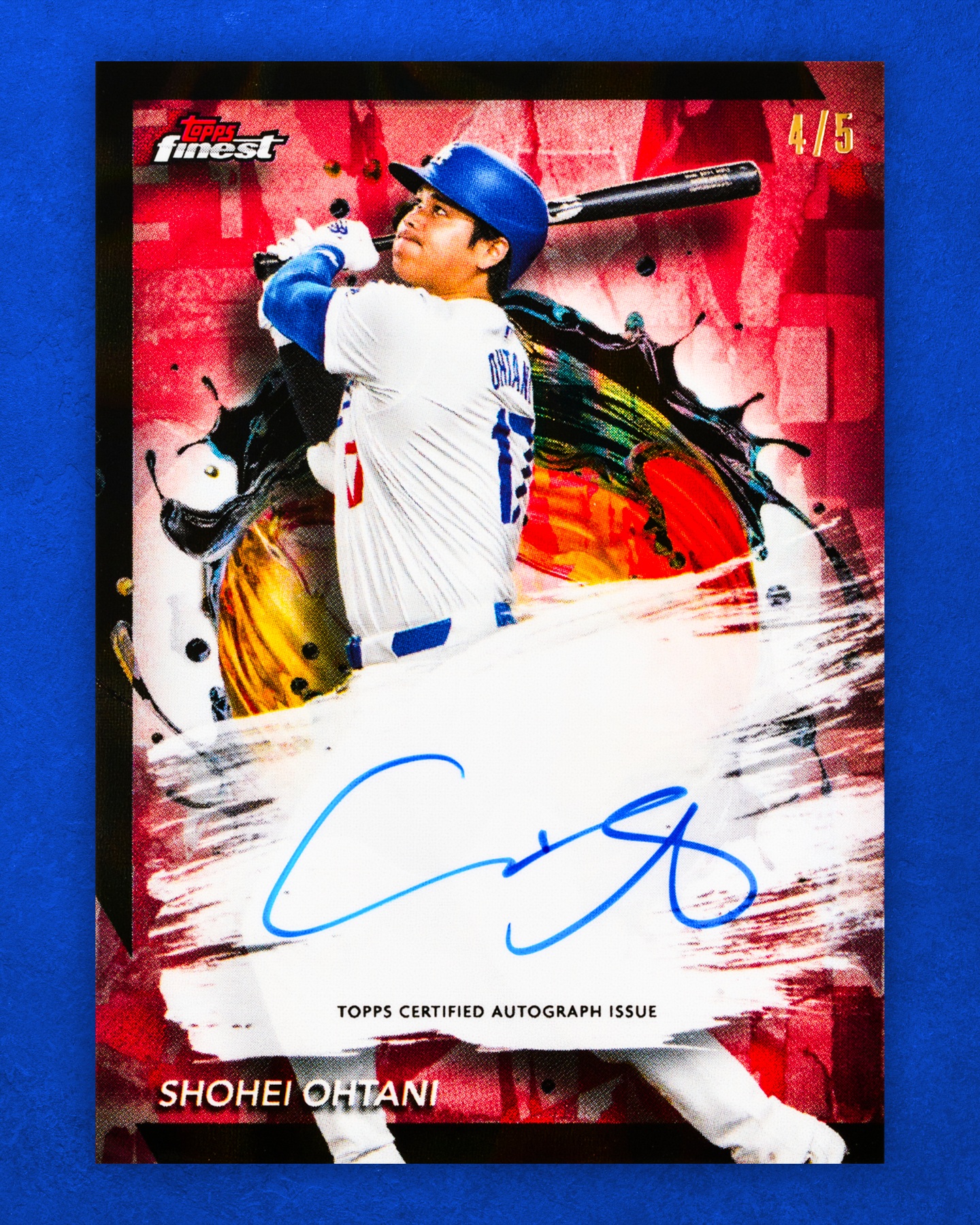
New (yet to surface):
Our take
2018 rookie autos are the main grail, but are quickly leaving the realm of reality for many collectors. The early MLB year (2019-2020) are great at a lower price point, and obtainable for some. The current era Dodgers autos are also incredible pieces to collect or chase. For the super collectors only with a big budget - keep your eyes set on any kanji listings and be prepared to pay hefty sums.