How to Store and Protect Your Cards: Sleeves, Toploaders, Binders and the Room You Keep Them In
Most card damage happens while cards sit still: in the wrong holder, the wrong page, or the wrong room. Here is how to match each card to the right protection, and how to store the whole collection so it looks the same in ten years.
A card does not need to be valuable to deserve basic protection. The supplies are cheap, and the damage they prevent (dinged corners, surface scratches, warping, fading) is permanent. This guide works from the card outward: the holder it goes in, how you store those holders, and the room they live in.
Start with a penny sleeve
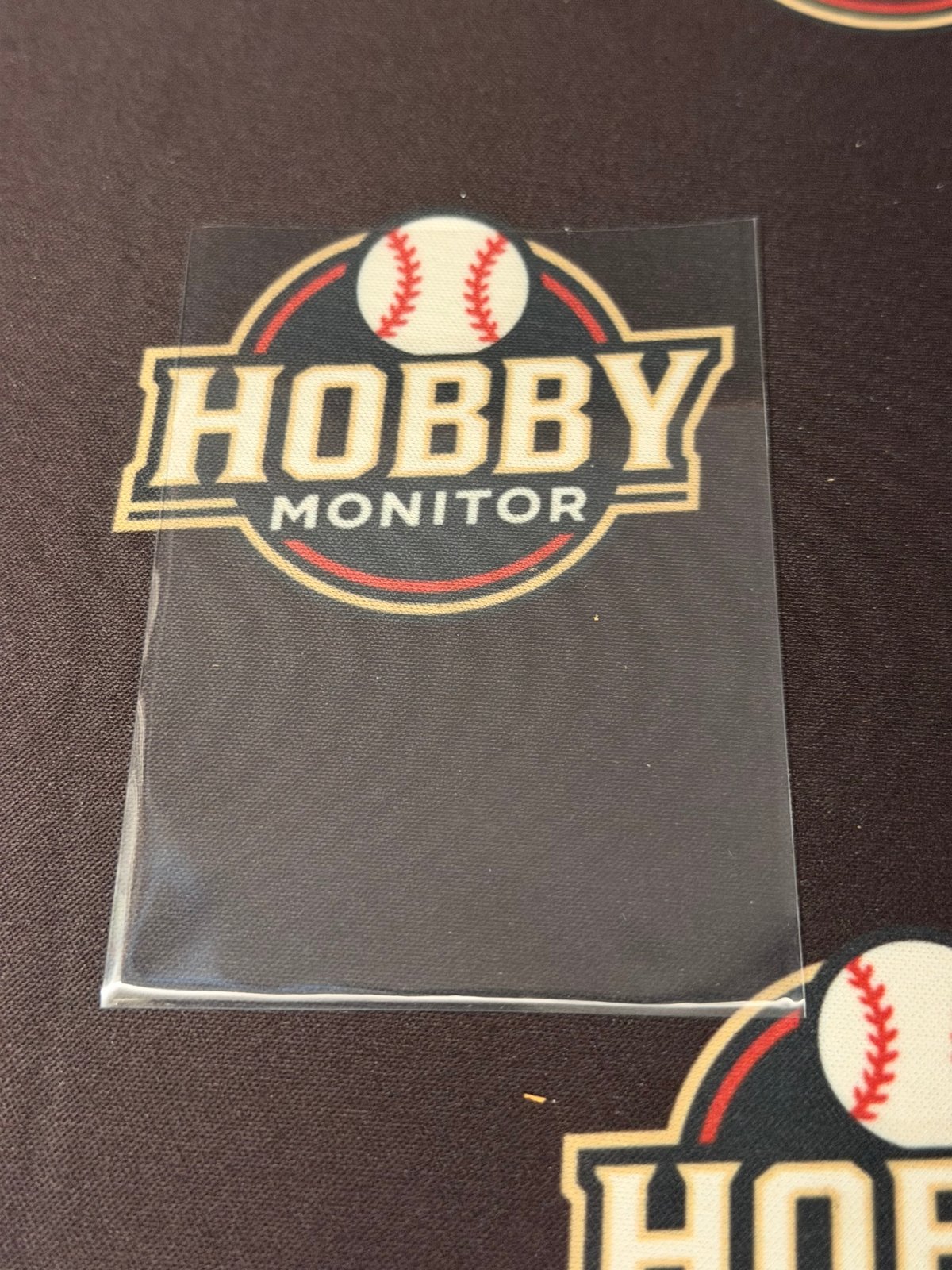
Every card you want to keep goes in a penny sleeve first. The soft sleeve protects the surface and edges from scratches, and it lets the card slide in and out of harder holders without catching a corner. Slide the card in top-down so the corners don't snag on the sleeve opening.
Toploaders, and getting the thickness right
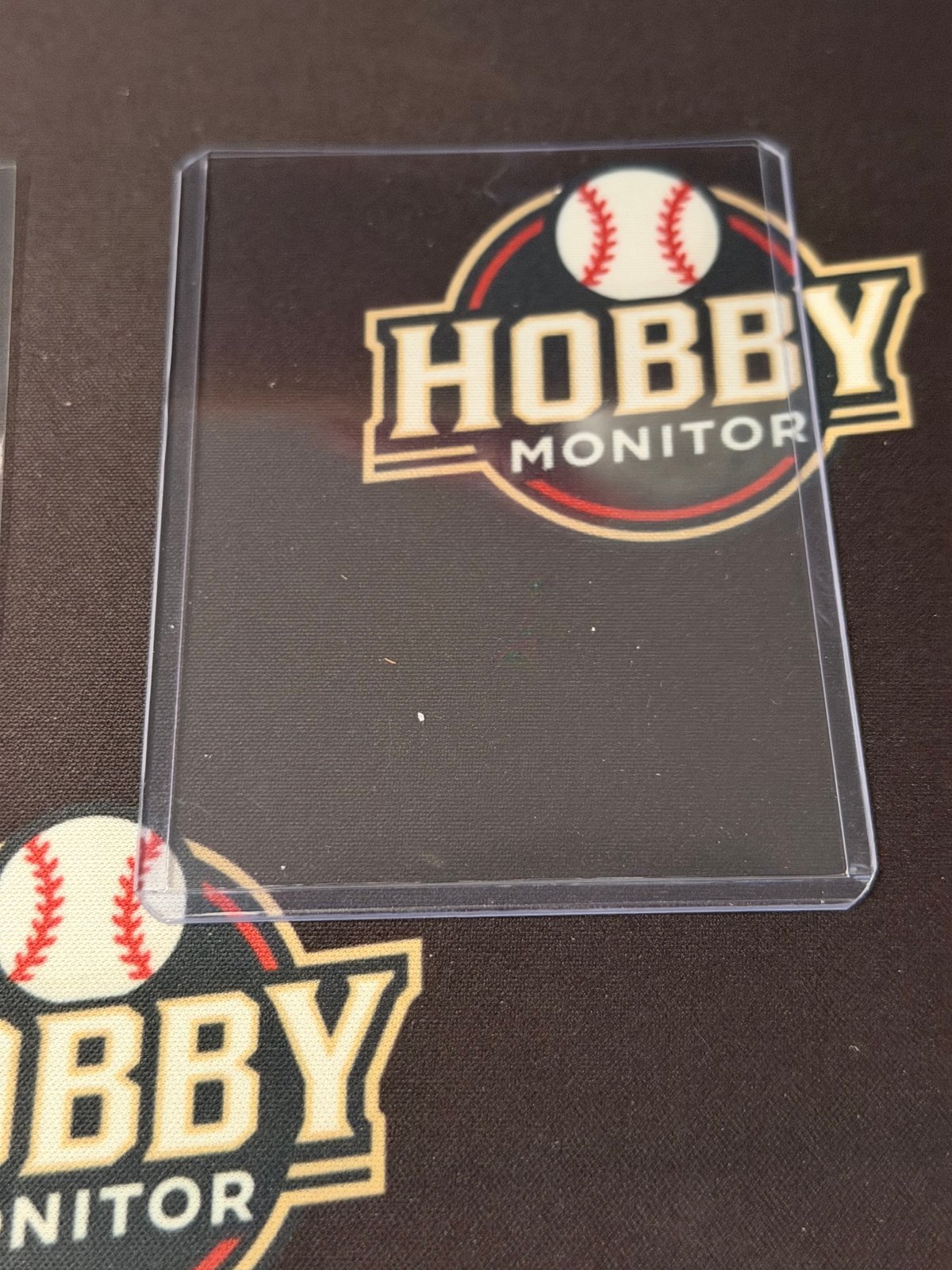
A toploader is the rigid plastic holder most collectors use for anything worth keeping. Standard toploaders are made for standard cards, which are about 35 points thick. Thicker cards need thicker toploaders:
- Standard base cards and most parallels: standard (35 point) toploaders
- Relic and patch cards, some thick inserts: 55 to 75 point
- Very thick patch or booklet cards: 100 point and up, or a holder made for that card size
Forcing a thick card into a standard toploader bends it. A thin card in an oversized toploader slides around and can ding its corners. If you are not sure, check the card's thickness against a card you know is standard.
Magnetic holders for your best cards
Magnetic one-touch holders clamp the card in place and display it well. They are a good choice for your best raw cards and for anything you keep on a shelf. Like toploaders, they come in point sizes, so match the holder to the card.
Binders: side-loading pages, and skip PVC
Binders are the easiest way to keep a set or a player collection together and easy to browse. Two things matter:
- Use side-loading pages. Cards slide in from the side, so they are less likely to fall out when the binder is tilted.
- Avoid soft PVC pages. Older and cheaper pages made from PVC can release chemicals over time that damage card surfaces. Look for pages labeled acid-free and PVC-free.
Use a binder with a D-ring rather than an O-ring, so the pages lie flat and cards near the rings don't bend. Don't overstuff it.
Storage boxes for everything else
Base cards and duplicates are fine in cardboard storage boxes made for cards, stored upright and snug, not loose. Never use rubber bands. They dent edges and can leave marks. Toploaded cards can go in boxes made for toploaders, and graded slabs belong in slab boxes, stored upright so the slabs don't scratch each other.
The room matters as much as the holder
Cardboard reacts to its surroundings. The goal is a place that stays cool, dry and dark, without big swings:
- Humidity is the big one. Damp air warps cards and can cause mold. Very dry air can make cards brittle. A closet in the main part of the house beats a basement or attic.
- Avoid temperature swings. Attics, garages and car trunks get hot and cold, and that cycling warps cards.
- Keep cards out of direct sunlight. Light fades ink and autographs over time, even through a window. Displayed cards last longer away from windows, or in UV-protective holders.
- Keep storage off the floor, in case of leaks or spills.
The quick checklist
- Penny sleeve on every card you want to keep
- Toploader or magnetic holder in the right thickness for the card
- Side-loading, PVC-free pages in a D-ring binder for sets
- Card storage boxes, upright and snug, no rubber bands
- Slabs upright in slab boxes
- A cool, dry, dark room, off the floor and away from windows
Once your cards are stored, track what you have, what you paid and what it is worth in HobbyMonitor Collect.
This is not financial advice. These are cards. The data and analysis are here to inform. You make your own calls.
This article was generated with the assistance of AI and reviewed before publishing. Always verify latest market data, stats, or news.
Published: June 2026