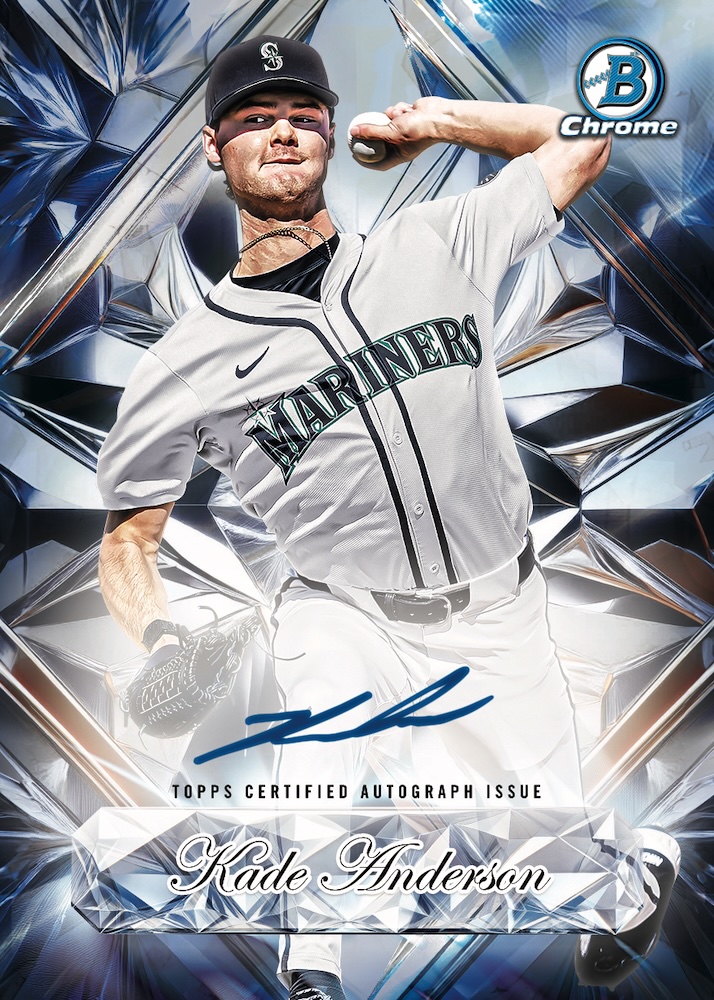
Bowman Baseball Beginner's Guide: History, Modern Variations, and What’s a 1st?
If you’re new to baseball card collecting, you’ve likely heard the name "Bowman" thrown around with a lot of excitement—especially when it comes to prospects and rookie cards. But what makes Bowman so special? We'll walk you through the history of Bowman Baseball, explore its most popular modern variations and inserts, and decode the mystery of the coveted "1st Bowman" card. Whether you’re ripping packs for fun or hunting for the next big investment, this guide has you covered!
A Brief History of Bowman Baseball
Bowman’s story begins in the late 1920s with Jacob Warren Bowman, a chewing gum salesman who founded Gum, Inc. in Philadelphia. By 1929, his Blony bubble gum was the top-selling penny gum in the U.S., and the company soon expanded into trading cards. While their early releases focused on non-sports themes (like the famous "Horrors of War" set), Bowman entered the sports card market in 1939 with the "Play Ball" sets, produced annually until 1941. World War II halted production due to paper shortages, but Bowman roared back in 1948 with its first official baseball card set under the Bowman name.
That 1948 set was a game-changer. At just 48 cards, it was small but packed with legends like Stan Musial and Yogi Berra. Sold for five cents with gum included, it marked the start of modern baseball cards as we know them. Bowman dominated the market through the early 1950s, producing iconic sets like the 1951 Mickey Mantle rookie card and the quirky 1955 "TV set" design. But by 1956, rival Topps outmaneuvered Bowman with exclusive player contracts and bought them out for $200,000 (over $2 million in today’s dollars).
Topps shelved the Bowman brand until 1989, when it was revived as a rookie- and prospect-focused line. Since then, Bowman has become the go-to brand for collectors chasing the stars of tomorrow, cementing its legacy as the "Home of the Rookie Card."
What’s a "1st Bowman" Card?
What’s all this hype about a "1st Bowman" card? Simply put, a "1st Bowman" card is a player’s first official baseball card as a professional, released by Bowman before they reach the Major Leagues. It’s marked with a "1st" or "1st Bowman" logo, usually in the upper left corner.
Why It Matters:
These cards capture players at the start of their pro journey—often years before their MLB debut. If a prospect becomes a superstar (like Ronald Acuña Jr. or Juan Soto), their 1st Bowman card can become a goldmine. You even seen 1st Bowman's in football and basketball - a Travis Hunter 1st Bowman is sure to be popular before the upcoming 2025 NFL Draft. Topps began using the "1st Bowman" label in 1996, though it wasn’t consistent until 2003. Since then, it’s been a cornerstone of Bowman’s appeal. Look for the "1st" logo on prospect cards in Bowman, Bowman Chrome, or Bowman Draft.
Note: It’s different from a rookie card (RC), which comes after a player reaches the majors. For example, a 2020 Bowman card of Bobby Witt Jr. is his 1st Bowman, while his 2022 Topps card is his official RC. The 1st Bowman is all about potential—it’s a bet on the future.
Modern Bowman Releases: What’s Out There?
Today, Bowman isn’t just one set—it’s a family of releases, each with its own flavor. Here are the most popular modern variations you’ll encounter:
Bowman Baseball
- What it is: The flagship release, typically dropping in April or May. 2025 will drop sometime in May.
- Why it’s popular: It’s the first major Bowman set of the year, blending veteran players (on paper cards) with prospects (on both paper and Chrome cards). It’s a great entry point for beginners and the more affordable, mainstream Bowman release of the year with a larger print run.
- Key Features: Modern releases in the last decade or so have included 100 base cards (veterans and rookies) and 150 prospect cards, plus autographs and parallel Refractors (special finish, numbered versions).
Bowman Chrome
- What it is: The mid-year heavy hitter, usually released in September.
- Why it’s popular: It’s 100% Chrome-focused on MLB rookies and typically international prospect signings. It's not unusual to see some fast rising prospects that missed the regular baseball release to fall here. Collectors love it for its premium look and high-value autographs.
- Key Features: Focuses on prospects and rookies, with Chrome Prospect Autographs being the crown jewel. First introduced in 1997, it’s a staple for serious collectors.
Bowman Draft
- What it is: The late-year release (November or December), spotlighting newly drafted players, and our personal favorite sports card release of the year.
- Why it’s popular: It’s your first chance to snag cards of the latest MLB Draft picks, often before they’ve even played a pro game. The biggest 1st Bowman cards are typically found in Draft.
- Key Features: All-in on prospects, with autographs and inserts. Perfect for prospectors betting on future stars.
Other Spinoffs
- Bowman’s Best: The first Bowman set with Refractors, launched in 1994. Today's releases include rookies as well as prospects.
- Bowman Sterling: Originally considered a "high-end" set when launched in 2004, it has lost some of that charm but remains one of the more popular non-mainstream releases. 2024 was 100% prospects or rookies only with autographs and plenty of variations.
- We didn't see these in 2024 but Bowman Platinum, Heritage and Inception have all released in the past decade, in some cases borrowing from Topps designs.
The Chase Cards
Beyond the base cards, Bowman packs are loaded with inserts, autographs and unique cards that stand out for their design, rarity, or signatures. Here are some of the more notable modern versions:
Chrome Prospect Autographs
Found in Bowman Baseball, Chrome and Draft, these signed cards of top prospects are the biggest prize. A player’s first Chrome autograph can skyrocket in value if they become a star - Paul Skenes, Corbin Carroll and Jackson Holliday come to mind from recent years.
Refractors
These shinier parallels of base or prospect cards are a collector’s obsession, with some editions being ultra-rare and highly sought-after. The most popular include:
- True Blue Refractor /150: Limited to 150 copies, this vibrant blue parallel offers a sweet spot of rarity and affordability. It pairs well with the blue ink used for autographs, and in our opinion is THE parallel to obtain for your personal collection. Of course, this is all preference, collect what you think looks the best!
Note: When we say "true" blue, we are referring to the blue-only refractor like in the main article image. In 2024 we saw Blue Wave, Reptile and Lava variations of the base colors. These can still look great, but generally carry less weight and value over the "true" versions.
- True Gold Refractor /50: Numbered to just 50, the gold version is a premium chase with a luxurious shine—perfect for big-name prospects.
- Red Refractor /5: With only 5 in existence, this bold red parallel is a grail for serious collectors, often fetching huge sums. A must-have for the Red Sox, Reds and Cardinals collectors out there.
- Superfractor 1/1: The ultimate prize—a one-of-a-kind card with a special finish. Pulling a Superfractor is a once-in-a-lifetime event.
Bowman Scouts’ Top 100
A countdown of the best prospects, often with Mini-Diamond or Aqua Refractor parallels. Great for spotting future MLB talent.
In Action
This new insert in 2024 Bowman Draft showcases prospects in an "action figure" design. These cards have turned out to be affordable and would be a tough find in PSA 10 condition.
Getting Started with Bowman
Ready to jump in? Start with a 2025 Bowman Baseball hobby box for a mix of veterans and prospects? Blaster boxes (smaller, retail packs) are budget-friendly for casual collectors, but might not bring the big hits. Watch for names this year like Jesus Made, Charlie Condon and JJ Wetherholt — today’s prospects could be tomorrow’s legends.
Bowman’s blend of history, variety, and prospect-chasing makes it a thrilling corner of the card-collecting world. So grab a pack, learn the lingo, and enjoy the ride—welcome to Bowman Baseball!